Operational Excellence Insights
Practical articles on integrating Lean Six Sigma with ISO management systems, driving continuous improvement, reducing waste, and building operational excellence in manufacturing. Bridging the gap between quality systems and process optimization.

How ISO Certification Connects to Operational Excellence: Bridging Quality and Lean
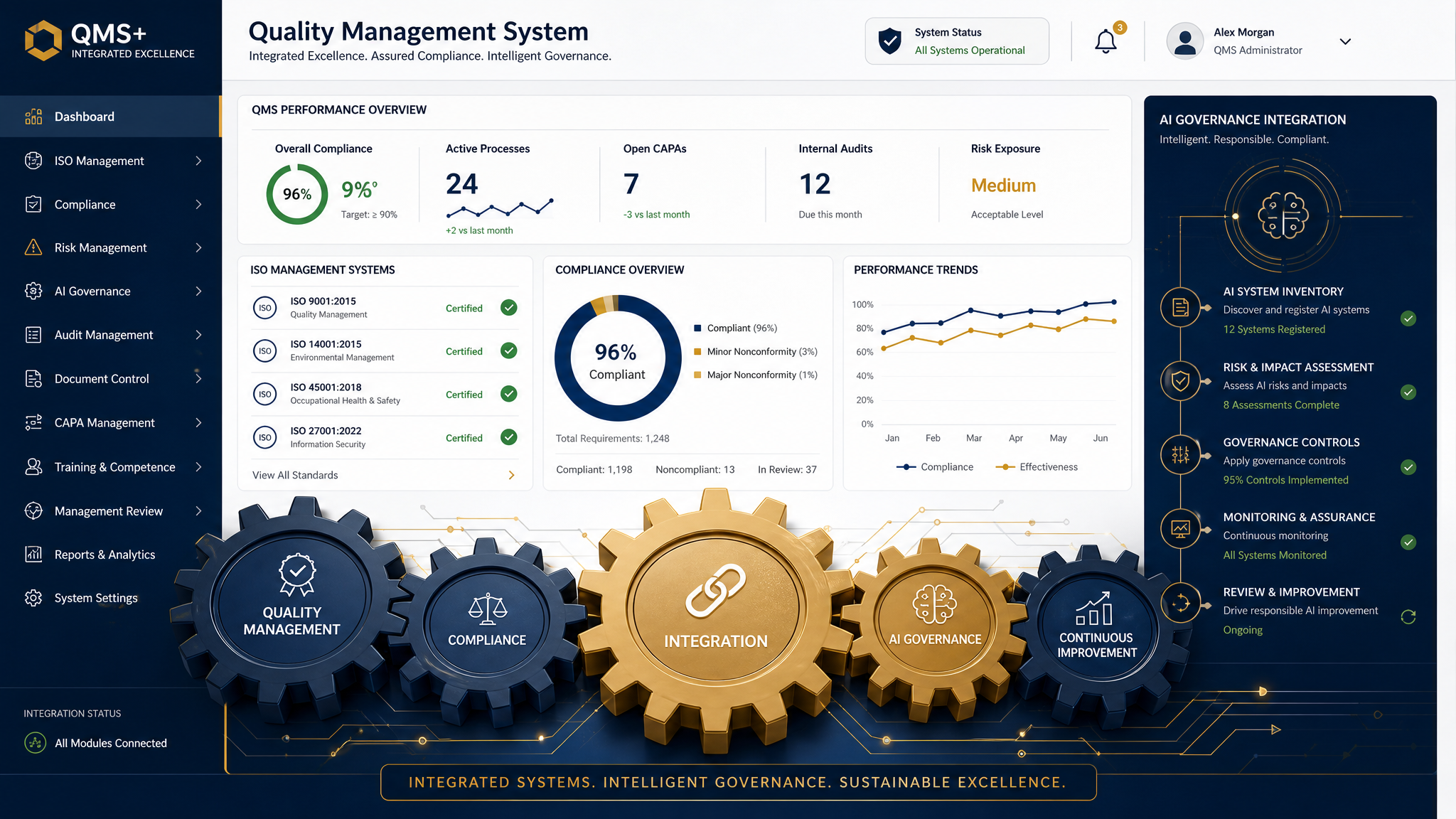
ISO 9001 builds your quality management foundation. Lean Six Sigma optimizes how that system performs. Together, they create a continuous improvement flywheel.

Lean Six Sigma vs. ISO: Complementary Frameworks, Not Competing Ones
A common misconception is that Lean Six Sigma and ISO management systems are competing methodologies. In reality, they are deeply complementary.

The Training Investment: How Applied Guidance Turns Workforce Development Into Manufacturing ROI
Companies that invest in structured training see 24% higher profit margins. Applied Guidance delivers ISO Lead Auditor certification, Lean Six Sigma belt training, EHS compliance courses, and custom corporate programs.

NC & SC Manufacturers: How ISO Certification Opens Doors You Didn't Know Existed
For manufacturers in the Carolinas, ISO certification isn't just a plaque on the wall — it's a market access credential that unlocks new customers, government contracts, and supply chain positions.

Integrating Lean Six Sigma with Your ISO Management System: A Practical Guide
Many manufacturers treat ISO and Lean Six Sigma as separate initiatives. That's a costly mistake.

Why Internal Auditor Training Is the Highest-ROI Investment in Your QMS
Companies that invest in proper internal auditor training see 3x better surveillance audit results.

ISO 42001 for Manufacturers: Governing AI Before Regulators Force You To
The EU AI Act is law. US executive orders are shaping procurement requirements. ISO 42001 is the world's first international standard for AI management systems — and manufacturers using AI for visual inspection, predictive maintenance, demand forecasting, or process optimization need to pay attention. We explain what ISO 42001 requires, which manufacturing AI applications are highest risk, and how to integrate AI governance into your existing ISO management system framework.

Industry 4.0 for Quality-Focused Manufacturers: Where Digital Transformation Actually Delivers ROI
Most Industry 4.0 initiatives in manufacturing fail because they chase technology instead of business outcomes. IoT sensors, digital twins, AI-powered inspection, and predictive maintenance only deliver ROI when integrated with your quality management system. We cut through the hype to identify the five Industry 4.0 investments that actually deliver measurable ROI for mid-market manufacturers, how to build a phased technology roadmap, and how OPZ360 helps manufacturers avoid the common pitfalls of digital transformation.

Building a Supplier Development Program: From Scorecards to Strategic Partnerships
Most manufacturers manage suppliers reactively — auditing after problems occur, switching after repeated failures. A supplier development program transforms this reactive cycle into proactive partnership. We cover how to segment your supply base (strategic, preferred, transactional, exit), build effective supplier scorecards with leading and lagging indicators, conduct development audits that improve capability instead of just finding faults, and how SupplySourceSync helps manufacturers build supply chains that compete.

Cost of Quality (COQ) Analysis: Finding the Hidden 15-25% of Revenue You Are Losing
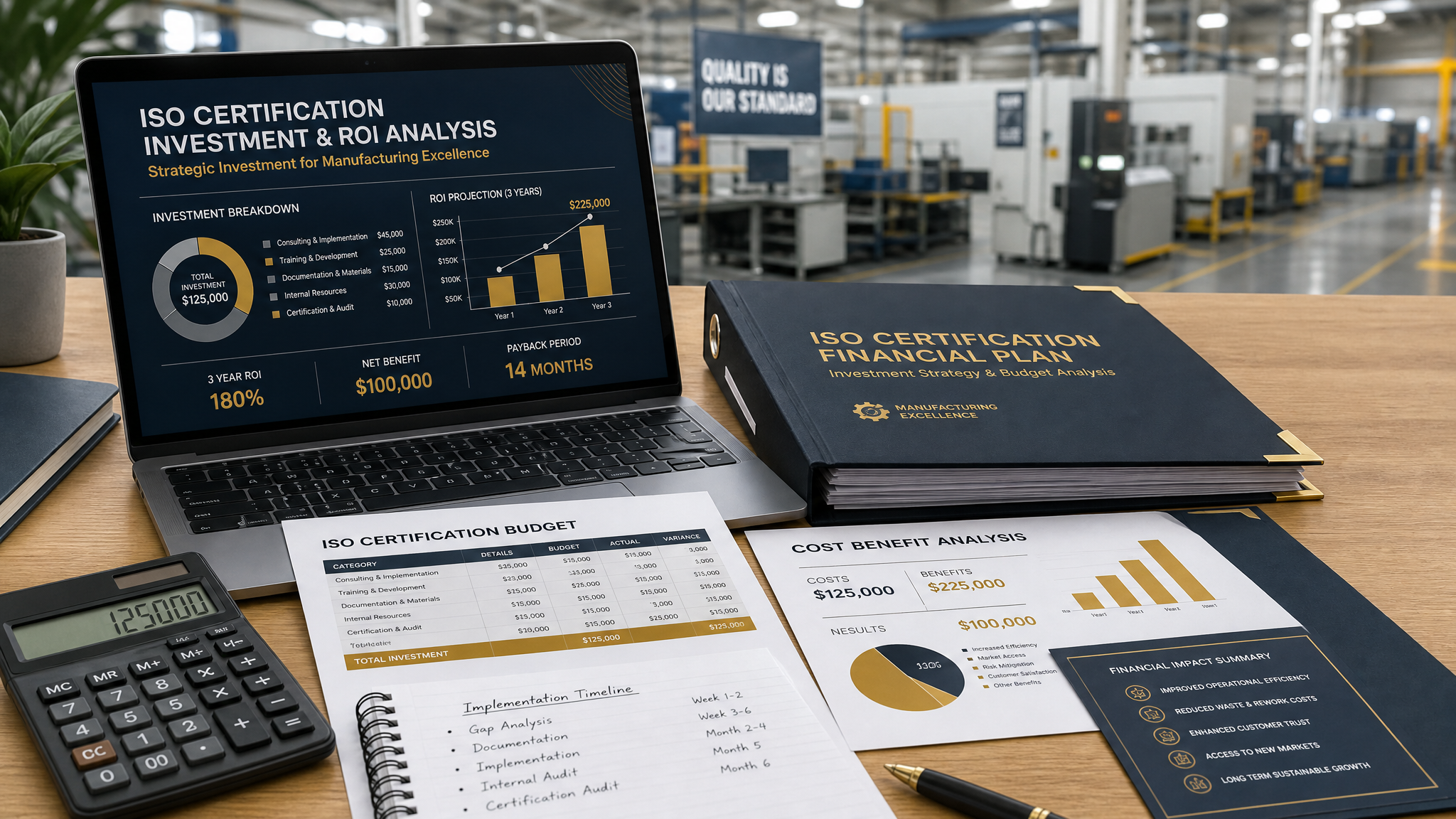
Most manufacturers underestimate their Cost of Quality by 60-80%. When you add up prevention costs (training, quality planning), appraisal costs (inspection, testing), internal failure costs (scrap, rework), and external failure costs (warranty, returns, recalls), the total typically reaches 15-25% of revenue. We explain how to conduct a comprehensive COQ analysis, benchmark your results against industry data, identify the highest-ROI improvement opportunities, and build the business case for quality investment that even your CFO will approve.

QMS Software vs. Spreadsheets: Why Manufacturers Are Making the Switch in 2026
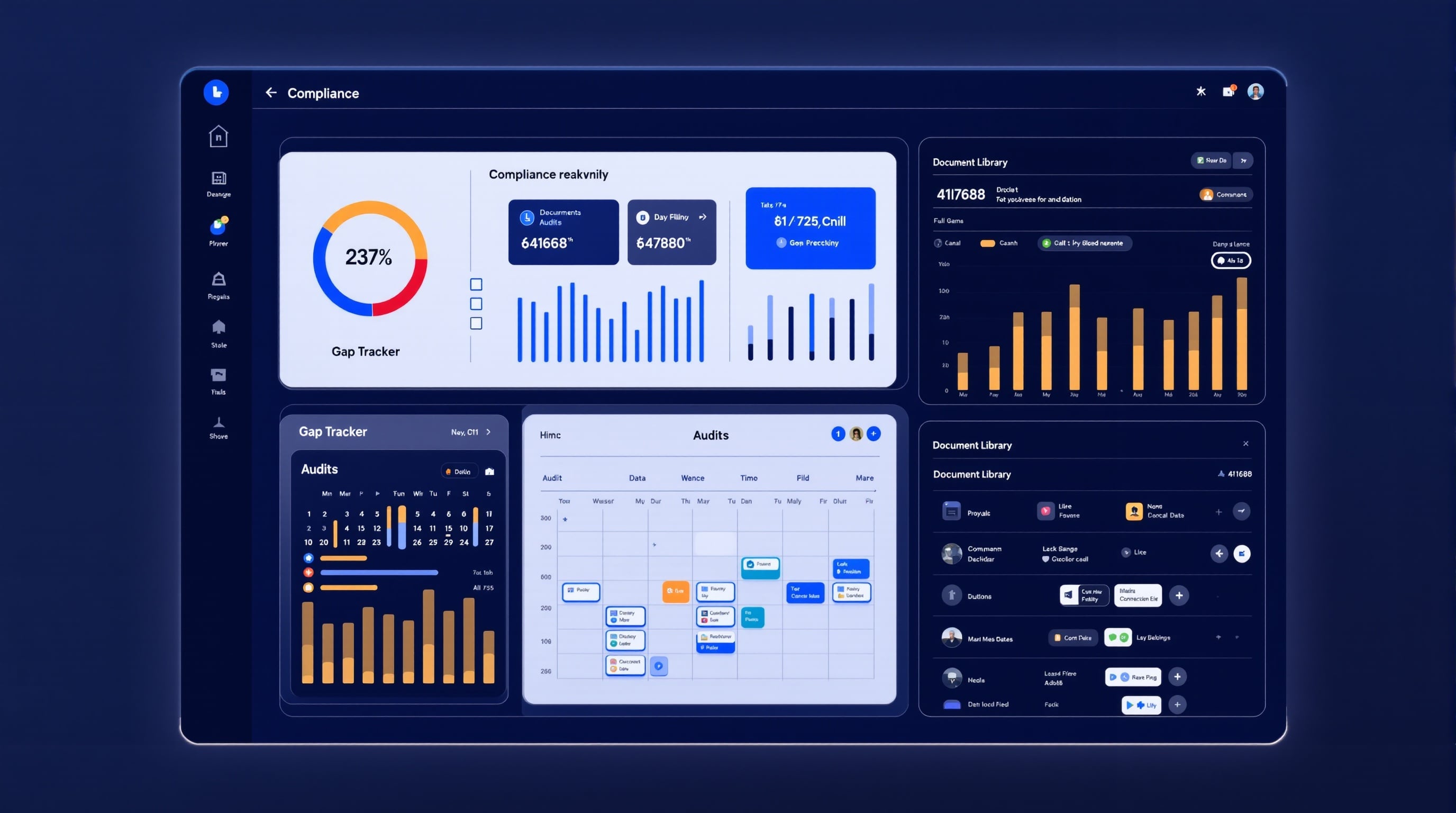
If your quality management system lives in Excel spreadsheets, shared drives, and email threads, you are not alone — but you are at risk. Spreadsheet-based QMS tracking leads to version control nightmares, audit trail gaps, missed training deadlines, and the inability to cross-map requirements across multiple standards. We break down the 7 critical capabilities a modern QMS platform must deliver (gap analysis automation, audit calendar management, document control with version history, training matrix tracking, CAPA workflow, executive dashboards, and multi-standard cross-mapping), compare the true cost of spreadsheet chaos versus platform investment, and explain why the next generation of compliance tools — like ExceleorQMS — are being built by auditors, not just developers. If you manage compliance across ISO 9001, AS9100, IATF 16949, or any combination of standards, this is the business case for upgrading your compliance infrastructure.
Explore Other Categories
Ready to Explore the Ecosystem?
Our family of 8 specialized brands is ready to help your manufacturing operation achieve excellence across quality, compliance, operations, and beyond.