Medical Devices Insights
Expert guidance on ISO 13485 implementation, FDA Quality System Regulation compliance, design controls, risk management (ISO 14971), and post-market surveillance for medical device manufacturers.

ISO 13485 & FDA Compliance: Building a Medical Device QMS That Satisfies Both
Medical device manufacturers face a dual challenge: meeting ISO 13485 requirements while simultaneously preparing for FDA QSR compliance.

FDA 21 CFR Part 820 vs ISO 13485: Building One QMS That Satisfies Both
Medical device manufacturers selling in the US and internationally face overlapping regulatory requirements: FDA 21 CFR Part 820 (Quality System Regulation) and ISO 13485. The good news is these frameworks are approximately 90% aligned. The challenge is in the details — design controls, risk management (ISO 14971), and post-market surveillance requirements differ in subtle but critical ways. We build integrated QMS systems that satisfy both with a single set of documentation.

Design Controls for Medical Devices: The Complete Implementation Guide
Design controls are the most challenging aspect of medical device quality management — and the most common area of FDA 483 observations. From design inputs and outputs to verification, validation, design reviews, and design transfer, every step must be documented and traceable. We walk through each phase of the design control process, common pitfalls that trigger FDA findings, and practical implementation strategies that satisfy both FDA QSR and ISO 13485 requirements.

ISO 14971 Risk Management for Medical Devices: From Hazard Analysis to Residual Risk
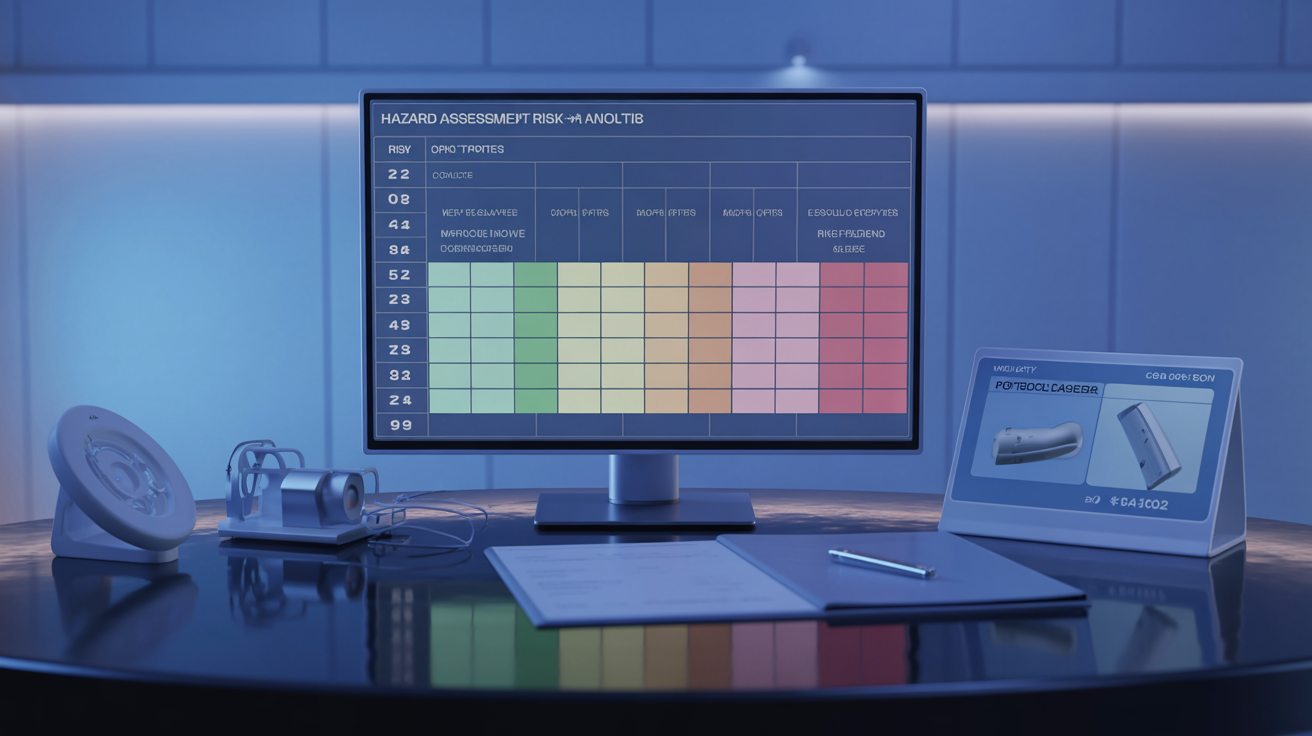
Risk management is the backbone of every medical device quality system. ISO 14971 defines the framework, but implementation is where companies struggle. We walk through the entire risk management process — from preliminary hazard analysis through risk estimation, evaluation, control measures, and residual risk assessment. Includes practical guidance on top-down vs. bottom-up analysis, severity/probability matrices, risk-benefit analysis for Class III devices, and how to maintain your risk management file through post-market surveillance.

Cleanroom Classification & Contamination Control: ISO 14644 for Device Manufacturers
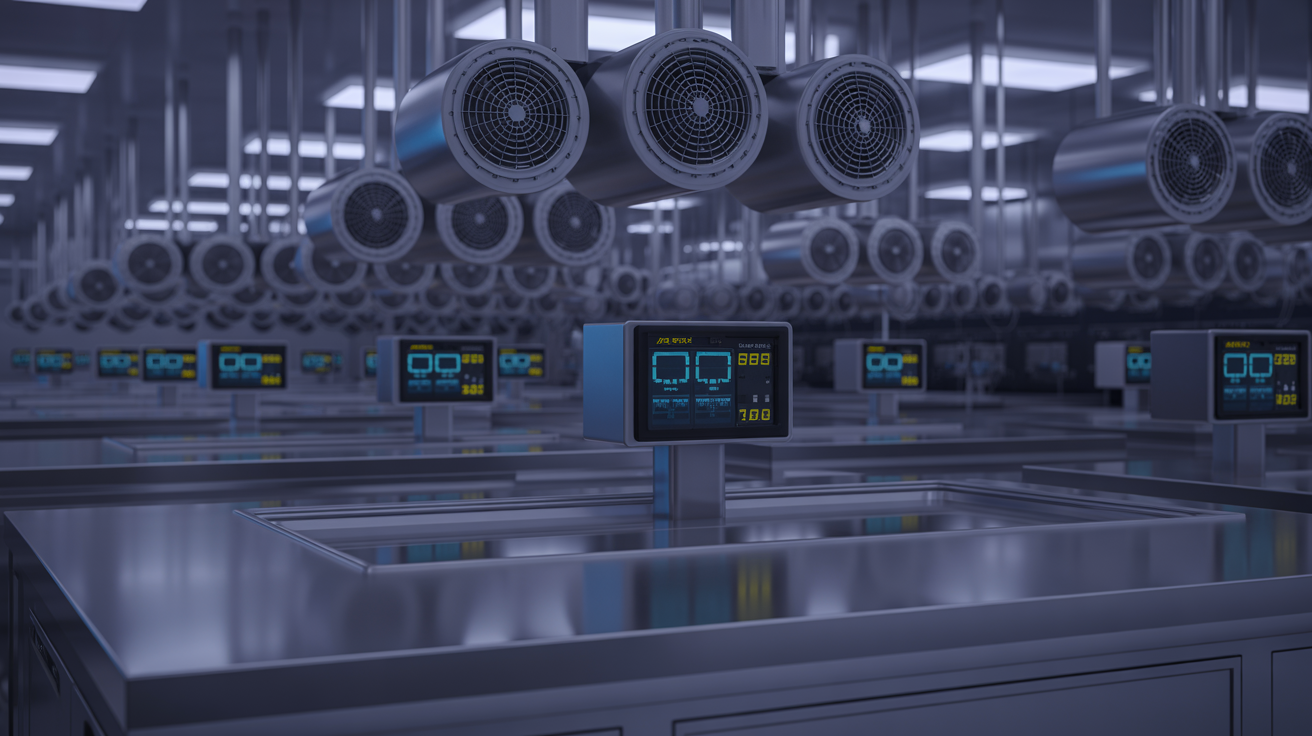
Whether you are manufacturing semiconductor components, pharmaceutical products, or Class II medical devices, cleanroom contamination control is mission-critical. We cover ISO 14644 cleanroom classification (Class 1 through Class 9), particle counting methodology, HEPA/ULPA filtration requirements, gowning protocols, environmental monitoring programs, and how contamination control integrates with your ISO 13485 quality management system. Practical guidance for manufacturers establishing or upgrading their controlled environments.
Explore Other Categories
Ready to Explore the Ecosystem?
Our family of 8 specialized brands is ready to help your manufacturing operation achieve excellence across quality, compliance, operations, and beyond.