
OSHA citations in manufacturing averaged $15,625 per serious violation in 2025, with willful violations reaching $156,259. But the real cost is in lost productivity, workers comp premiums, and employee turnover. We cover the OSHA standards most commonly cited in manufacturing (lockout/tagout, machine guarding, hazard communication, respiratory protection), how to build a proactive safety program that satisfies ISO 45001 and OSHA simultaneously, and how ComplianceFortress helps manufacturers create safety cultures that go beyond compliance.
Understanding OSHA Requirements
OSHA compliance for manufacturers encompasses a broad range of requirements covering hazard communication, lockout-tagout, machine guarding, personal protective equipment, electrical safety, fall protection, confined spaces, fire safety, and ergonomics. The specific requirements that apply depend on your manufacturing processes, materials handled, and workplace conditions.
OSHA penalties have increased significantly in recent years. Serious violations can reach over $16,000 each, and willful violations can exceed $160,000. Repeat violations carry similar maximum penalties. Beyond financial penalties, OSHA citations can damage customer relationships, worker morale, and public reputation.
Most Cited Standards
OSHA publishes its most frequently cited standards annually. For manufacturing, the top citations consistently include hazard communication (GHS labeling and SDS management), lockout-tagout (energy control procedures for maintenance), machine guarding (protecting workers from moving parts), respiratory protection (fit testing and medical evaluation), and powered industrial trucks (forklift training and certification).
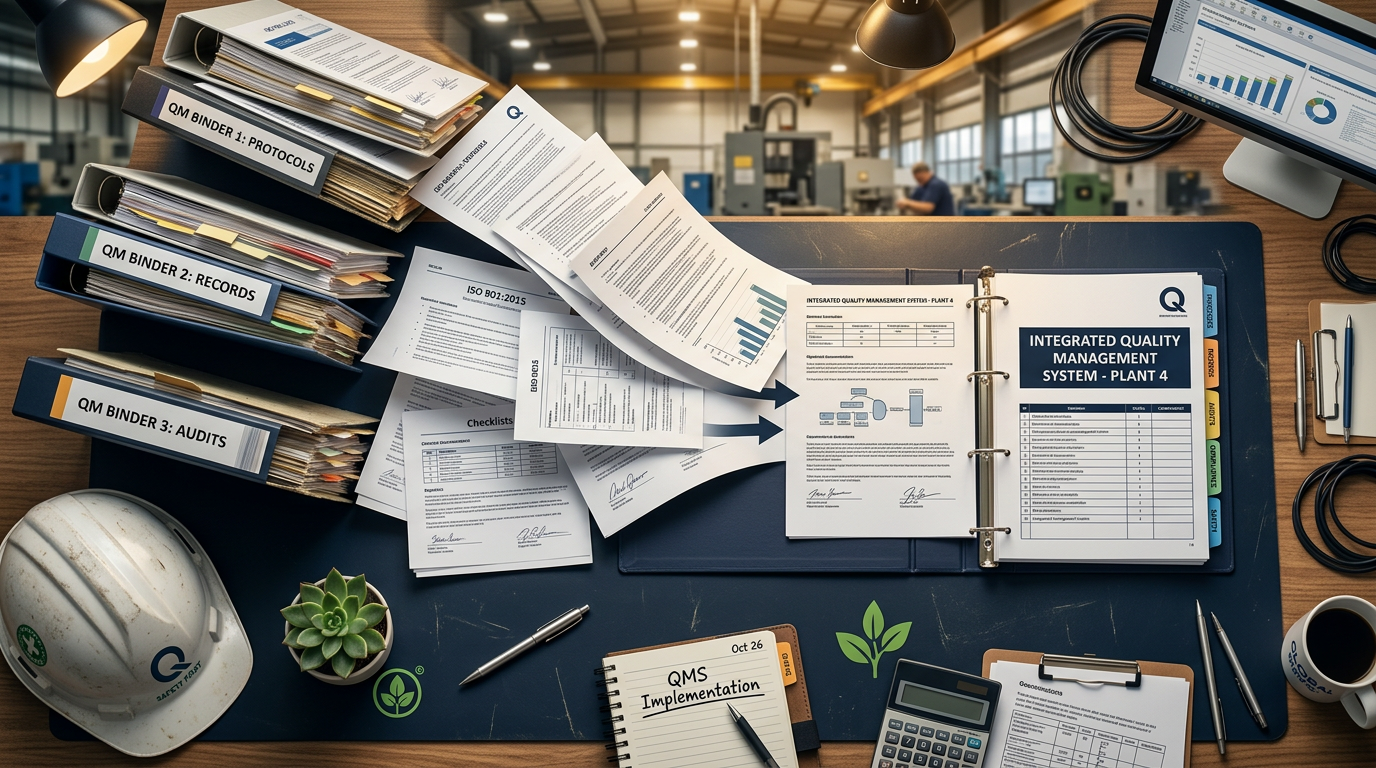
These same standards appear year after year because manufacturers frequently rely on informal practices rather than documented programs. An EHS management system built on ISO 45001 addresses these requirements systematically, reducing citation risk through documented procedures, training records, and ongoing compliance monitoring.
Building Your Safety Program
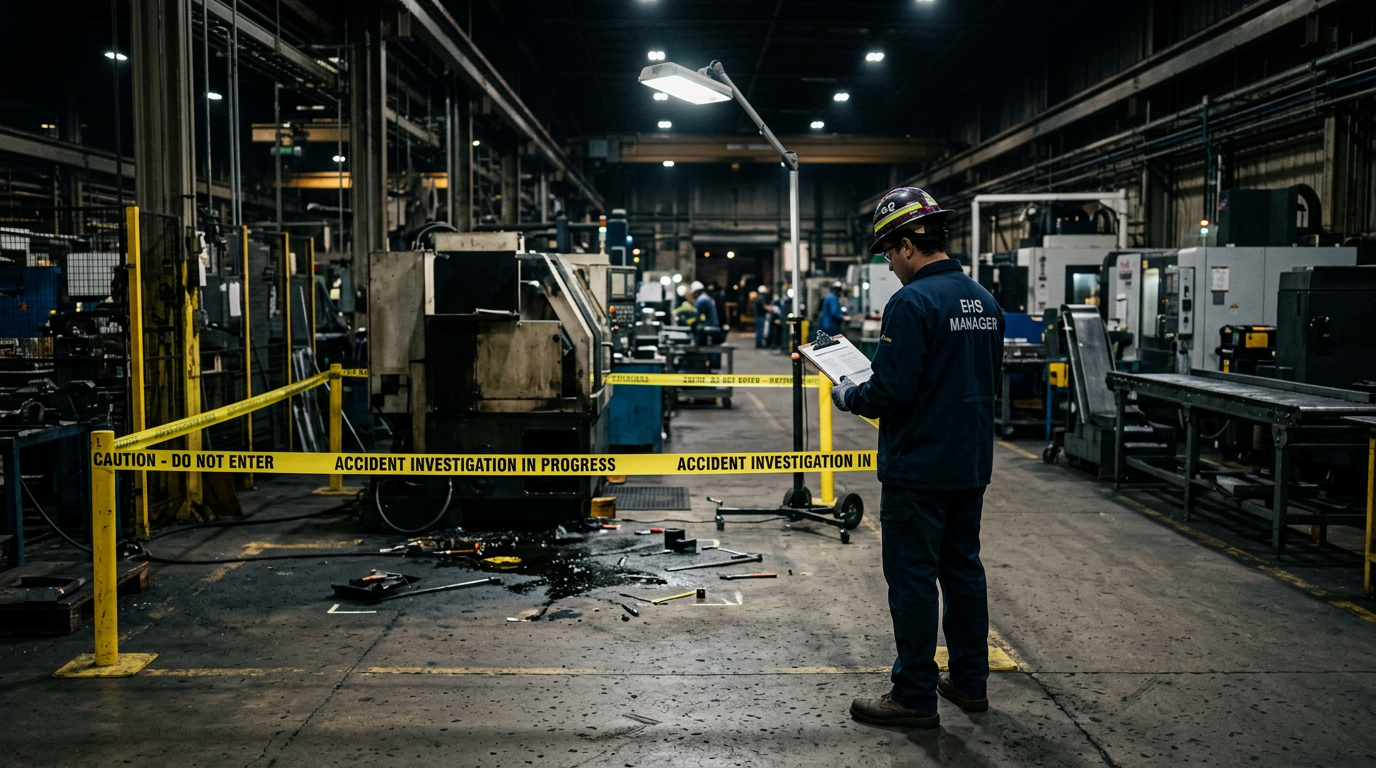
An effective safety program starts with hazard identification. Walk your facility with fresh eyes — or better yet, have ComplianceFortress conduct an independent safety assessment. Identify all applicable OSHA requirements based on your operations. Develop written programs for each required area. Train employees. Document everything.
The key elements of an effective safety program include management commitment and employee involvement, hazard identification and assessment, hazard prevention and control, safety and health training, and program evaluation. ISO 45001 provides the management system framework for implementing these elements systematically.
Beyond Compliance
The best safety programs go beyond OSHA compliance to build genuine safety culture. This means safety is integrated into daily operations rather than managed as a separate program. Workers feel empowered to report hazards and near-misses without fear of retaliation. Safety metrics are reviewed alongside quality and production metrics in management reviews.
Manufacturers with strong safety cultures consistently outperform their peers in quality and productivity metrics as well. The discipline, communication, and worker engagement that drive safety performance also drive operational excellence. Investing in safety is investing in overall manufacturing performance.