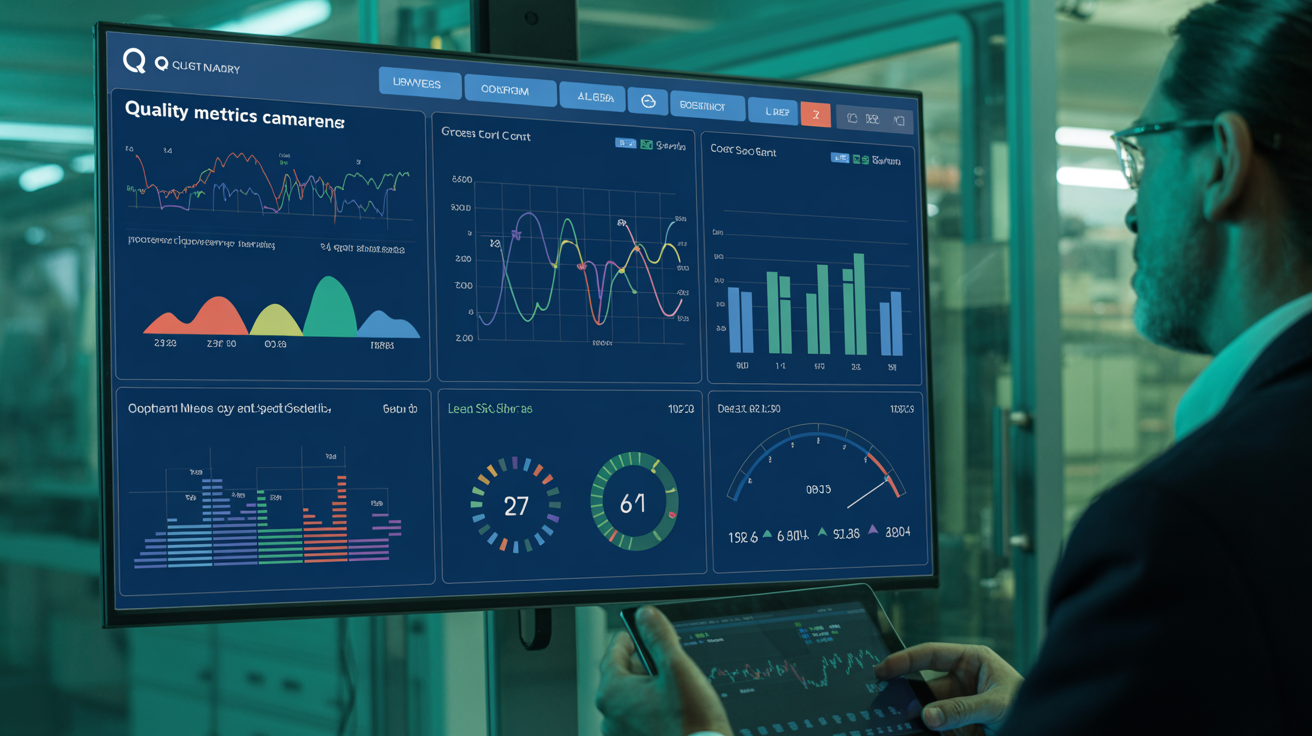

The end of the year is the ideal time to step back and assess whether your quality management system is genuinely healthy or just surviving from audit to audit. Before the new year resets your metrics and your surveillance clock, a structured health check surfaces the issues you can fix now instead of explaining to a registrar later. We provide a practical 12-point year-end review covering internal audit completion, open CAPA aging, corrective-action effectiveness, document control currency, training and competency records, supplier performance, customer complaint trends, objectives progress, risk register updates, management review follow-through, calibration status, and surveillance-audit readiness. Whether you run ISO 9001, AS9100, IATF 16949, or ISO 13485, this checklist helps you close the year strong and start the next one ahead. A perfect standalone engagement or the first step toward a full gap assessment.
Why a Year-End Review Matters
The end of the year is the ideal moment to step back and ask an honest question: is our quality management system genuinely healthy, or is it just surviving from one audit to the next? The pressure of daily production means most quality systems accumulate quiet debt — aging CAPAs, overdue audits, drifting documents — that never gets addressed until a registrar points it out. A structured year-end health check surfaces that debt now, while you have time to fix it on your own terms rather than explaining it to an auditor later.
Before the new year resets your metrics and your surveillance clock, a deliberate review pays off in two ways: it closes the current year strong and it sets up the next year ahead of the curve. Whether you run ISO 9001, AS9100, IATF 16949, or ISO 13485, the same disciplined check applies. Think of it as preventive maintenance for your management system.
Audits, CAPA, and Corrective Action
Start with the health of your core quality processes. First, internal audit completion: did you actually complete the audit schedule you committed to, covering the full scope of the system? A half-finished audit program is both a nonconformity and a blind spot. Second, open CAPA aging: how many corrective actions are open, and how long have they been open? A pile of aging CAPAs signals a process that opens actions but cannot close them.
Third, corrective-action effectiveness: for CAPAs closed this year, was effectiveness actually verified, or were they closed on faith? Pull a sample and check whether the problems stayed fixed. These three — audit completion, CAPA aging, and effectiveness — are the vital signs of a functioning quality system. Weakness here predicts trouble at your next surveillance audit, so address it before January rather than discovering it in front of a registrar.
Records, Suppliers, and Customer Signals
Next, check the records and relationships that keep the system defensible. Document control currency: are your controlled documents current, approved, and free of obsolete versions in circulation? Training and competency records: is every operator's competency current for the work they perform, with records to prove it? Calibration status: are your monitoring and measuring resources within calibration, with no overdue gauges quietly in use?
Then look outward. Supplier performance: how did your key suppliers perform this year, and are any trending toward becoming a risk? Customer complaint trends: what are your complaints telling you — is any failure mode or product line trending the wrong way? These external signals often reveal systemic issues that internal metrics miss, and they are exactly what auditors and customers scrutinize. Catching an adverse trend now lets you act before it becomes a bigger problem next year.
Objectives, Risk, and Surveillance Readiness
Finally, review the strategic layer. Objectives progress: did you meet the quality objectives you set, and if not, why — and what does that mean for next year's targets? Risk register updates: is your risk assessment current, or does it still reflect last year's reality? Management review follow-through: were the actions from your reviews actually completed, or did they quietly lapse? And surveillance-audit readiness: if the registrar arrived next month, what would they find?
That twelve-point sweep — internal audits, CAPA aging, corrective-action effectiveness, document control, training and competency, calibration, supplier performance, complaint trends, objectives, risk register, management review follow-through, and surveillance readiness — gives you a complete picture of system health in a few focused days. Work through it before January and you close the year strong, walk into surveillance season with confidence, and start the new year ahead. It makes a perfect standalone engagement, and it is often the natural first step toward a full gap assessment when the check reveals deeper work to be done.