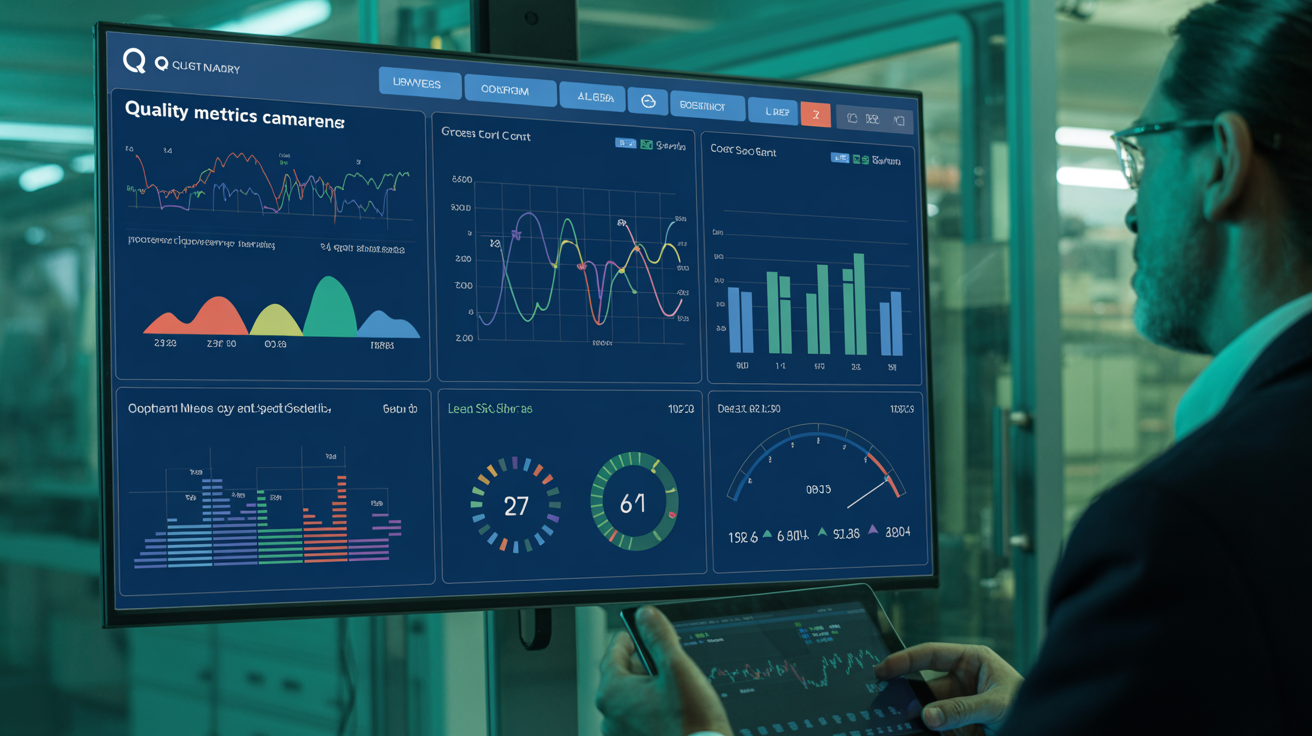
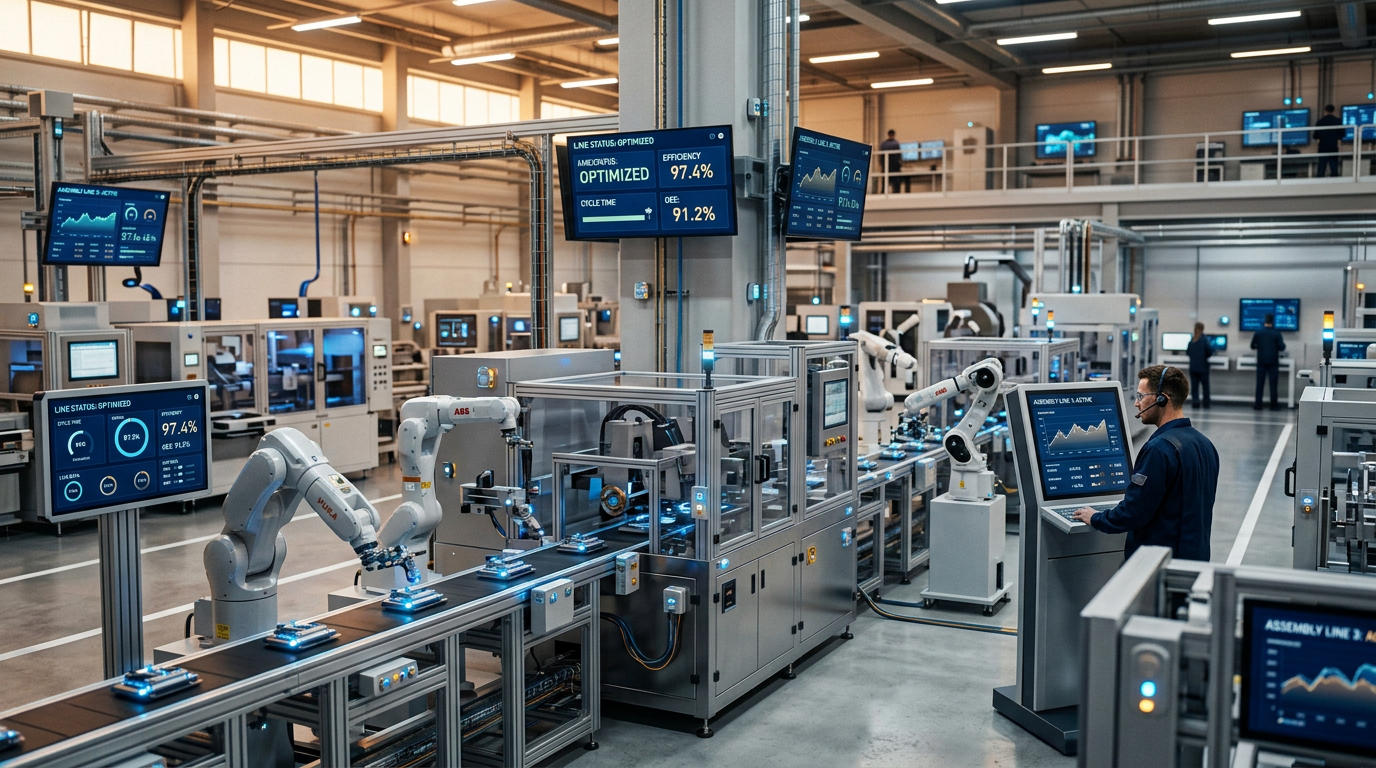
Manufacturers rush to buy IoT sensors, MES platforms, and AI dashboards — then wonder why the technology never delivers ROI. The problem is almost never the technology; it is deploying it on top of unstable, undefined processes. Before you invest in Industry 4.0, you need an honest readiness assessment. We share the framework OPZ360 uses to evaluate digital maturity across five dimensions: process stability, data quality and availability, systems integration, workforce capability, and management-system foundation. We explain why a strong ISO management system is the prerequisite for successful digital transformation, how to identify the highest-ROI use cases for your plant, and how to sequence a roadmap that builds capability instead of buying shelfware. Includes a self-scoring readiness checklist.
Why Digital Investments Fail
Manufacturers rush to buy IoT sensors, MES platforms, and AI-powered dashboards, then are baffled when the technology never delivers the promised ROI. The failure is rarely the technology itself. It is deploying sophisticated digital tools on top of processes that are unstable, undefined, or poorly understood. When you instrument a chaotic process, you get real-time data about chaos — you do not get improvement. Technology amplifies whatever it sits on; if the underlying process is not in control, digital tools amplify the disorder.
This is why the honest first question is not "what technology should we buy?" but "is our operation ready to benefit from it?" A readiness assessment answers that question before you spend, and it is the difference between digital transformation that pays back and expensive shelfware that quietly gets abandoned.
The Five Dimensions of Readiness
OPZ360 evaluates smart-factory readiness across five dimensions. Process stability: are your core processes defined, documented, and in statistical control, or do they vary unpredictably? Data quality and availability: do you capture accurate, timely data at the points that matter, or is your data manual, late, and unreliable? Systems integration: can your systems talk to each other, or are they islands requiring manual re-entry?
Workforce capability: does your team have the skills to use and sustain digital tools, or will the technology outrun the people? And management-system foundation: do you have the process discipline — typically from a mature ISO management system — that gives digital tools something solid to build on? Scoring honestly across these five dimensions reveals where you are ready to digitize and where you first need to shore up the foundation.
Why ISO Is the Prerequisite
A strong ISO management system is the single best predictor of digital transformation success, because it delivers exactly what digital tools require: defined processes with clear inputs and outputs, identified critical control points, documented procedures, and a culture of measurement and improvement. If your ISO 9001 system already defines a process with measurable characteristics, you have the architecture a digital tool needs — you are adding instrumentation and analytics to a known, stable process rather than trying to digitize a black box.
Manufacturers who attempt Industry 4.0 without this foundation consistently fail. They put sensors on processes nobody has stabilized and dashboards on data nobody trusts. The compliance work you may see as a burden is actually the groundwork that makes digital transformation possible. Get the management system solid first, and the technology has something worth measuring.
Sequencing a Roadmap That Builds Capability
A readiness assessment produces a sequenced roadmap rather than a shopping list. The right sequence usually starts by closing foundational gaps — stabilizing key processes, improving data capture at critical points, digitizing the management system itself. Only then do you layer on analytics and, eventually, automation. Each phase builds capability the next phase depends on, so the investment compounds instead of stalling.
Equally important is choosing the highest-ROI use cases for your specific plant rather than chasing whatever is fashionable. The best first projects target a real, quantified pain point — a recurring quality escape, a chronic bottleneck, an inspection burden — where better data and control deliver measurable savings. Start there, prove the value, build the workforce's confidence and skills, and expand. A self-scoring readiness checklist across the five dimensions tells you where you stand today; the roadmap tells you what to do about it, in what order, so your digital investment actually pays back.