
Counterfeit parts cost the aerospace and defense industry $3B+ annually and pose life-safety risks. AS9100 Rev D clauses 8.1.4 specifically addresses counterfeit part prevention, and DFARS 252.246-7007 mandates detection and avoidance programs. We cover the AS9100 counterfeit parts requirements, how to build a detection and avoidance program, supplier authentication strategies, receiving inspection protocols, and reporting obligations when suspect parts are identified.
The Counterfeit Parts Threat
Counterfeit and suspect unauthenticated parts represent one of the most serious quality risks in the aerospace supply chain. A counterfeit part that fails in flight can cause catastrophic consequences. AS9100 Clause 8.1.4 specifically addresses this risk, requiring organizations to establish processes for the prevention of counterfeit or suspect parts from being used.
The counterfeit parts problem extends beyond obviously fake components. It includes parts with altered markings, expired shelf life, improper material certifications, unauthorized rework, and components diverted from scrap or rejection processes. Any of these can compromise product safety and reliability.
AS9100 Requirements
AS9100 requires several specific counterfeit prevention measures. You must train employees to recognize counterfeit indicators. You must control procurement sources to only authorized or approved suppliers. You must verify part authenticity through incoming inspection and testing. You must control obsolete and surplus material disposition. You must have procedures for reporting and quarantining suspect parts.
These requirements flow down to your supply chain. Your suppliers must implement their own counterfeit prevention programs, and you are responsible for verifying their effectiveness through supplier audits and incoming inspection.
Authentication Strategies
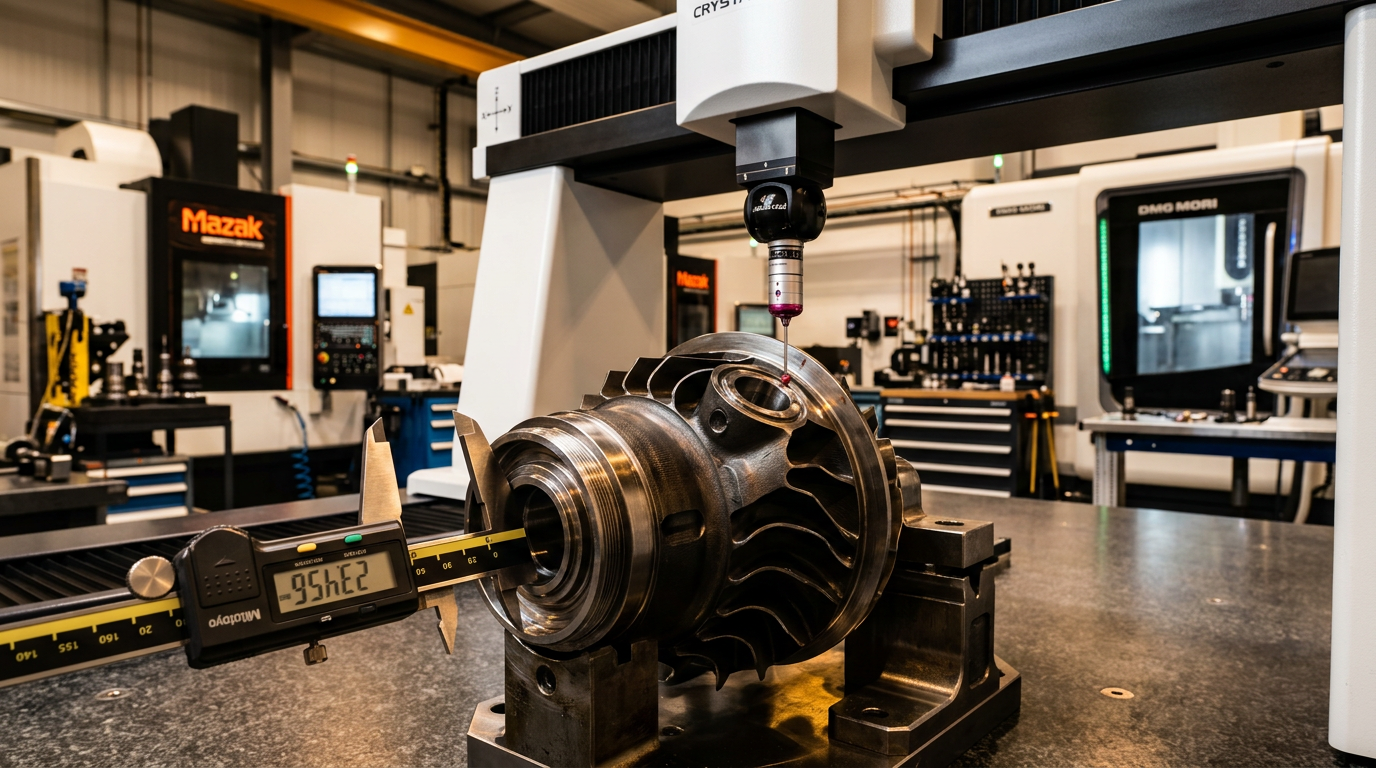
Effective counterfeit prevention uses multiple authentication strategies in combination. Source control limits procurement to OEMs, authorized distributors, and qualified aftermarket sources. Documentation verification validates that material certifications, test reports, and traceability data are authentic and consistent. Physical inspection examines parts for marking irregularities, surface defects, and other counterfeit indicators.
Advanced authentication may include material analysis, electrical testing, or comparison against known authentic samples. The level of authentication should be risk-based — higher-risk parts and higher-risk sources require more rigorous verification.
Building Your Prevention Program
Start by identifying which components in your products pose the highest counterfeit risk — typically electronic components, fasteners, and materials with complex supply chains. Develop risk-based procurement policies that specify approved sources for high-risk components. Implement incoming inspection procedures that include counterfeit detection checks. Train your receiving, inspection, and purchasing personnel on counterfeit indicators.
Document your counterfeit prevention program and include it in your AS9100 quality management system. Audit its effectiveness through your internal audit program. Report suspect parts through industry reporting mechanisms like GIDEP. Continuous vigilance is essential because counterfeit methods evolve constantly.